The Biscuit Tin Appeal · 2026
The Great
Postcard Rescue
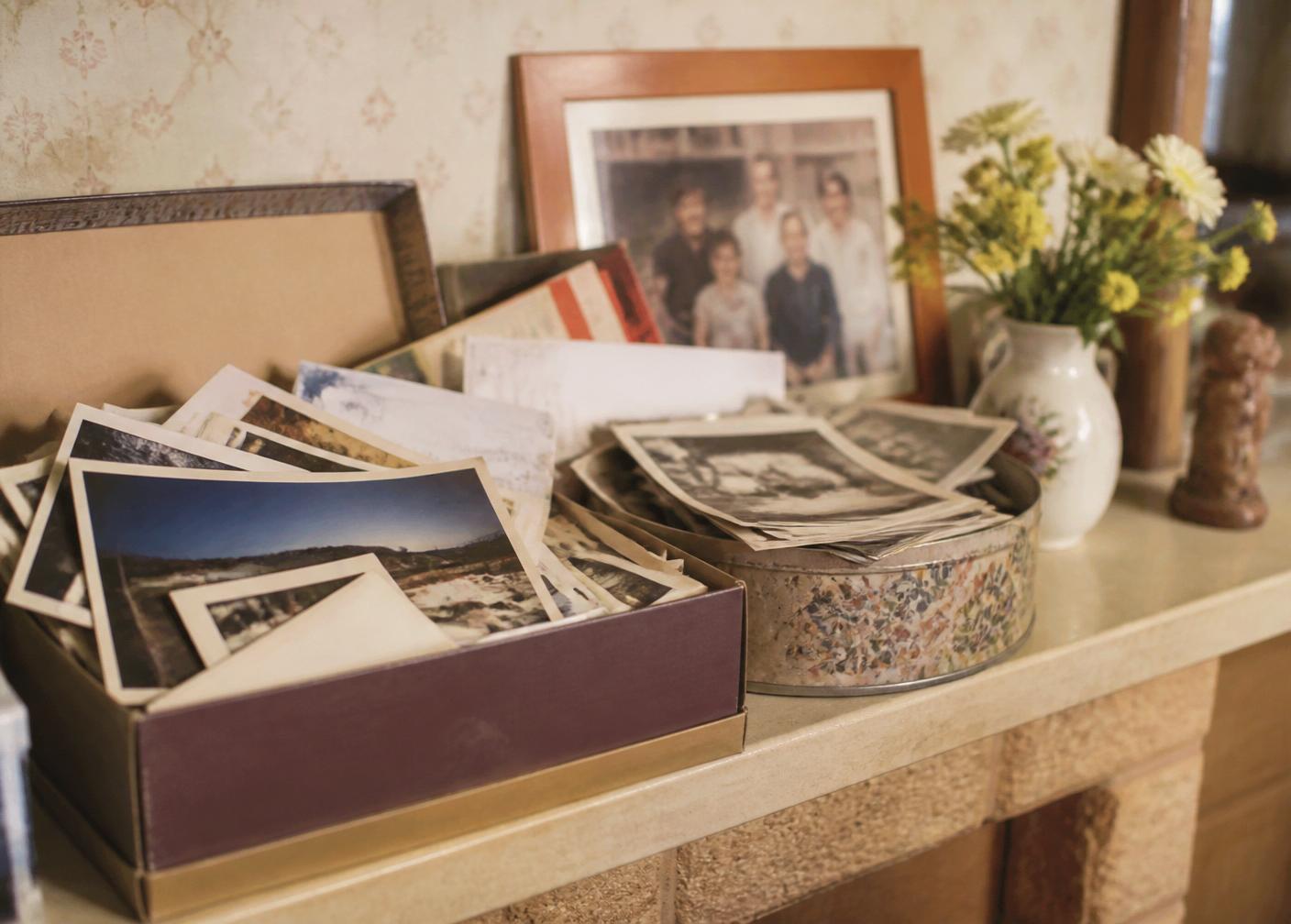
We are building the world's largest archive of ordinary lives. And right now, thousands of those lives are sitting in biscuit tins, lofts and desk drawers, one clear-out away from being lost forever.
How to take part
Find it, send it, save it
 I
IRaid the tin
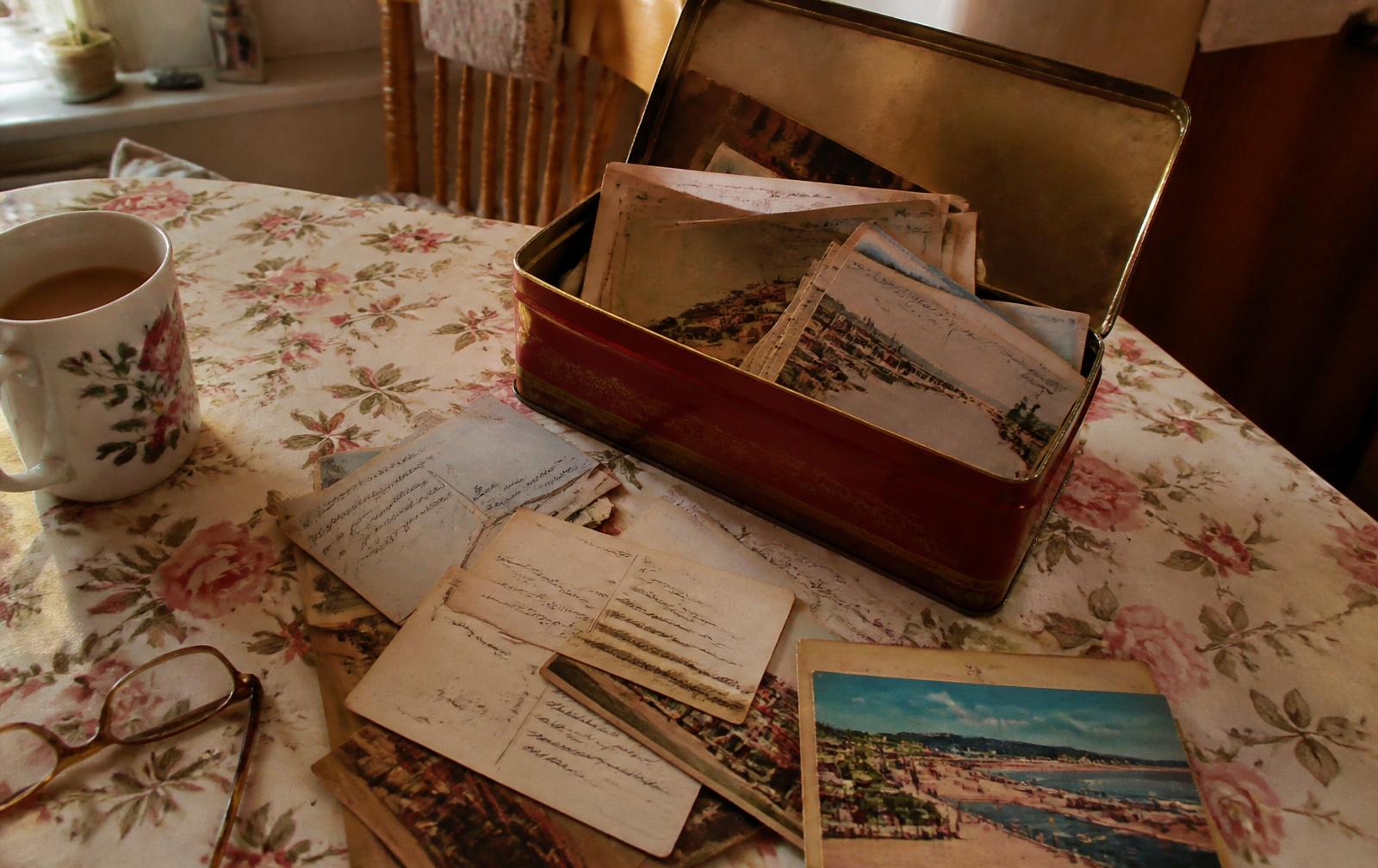
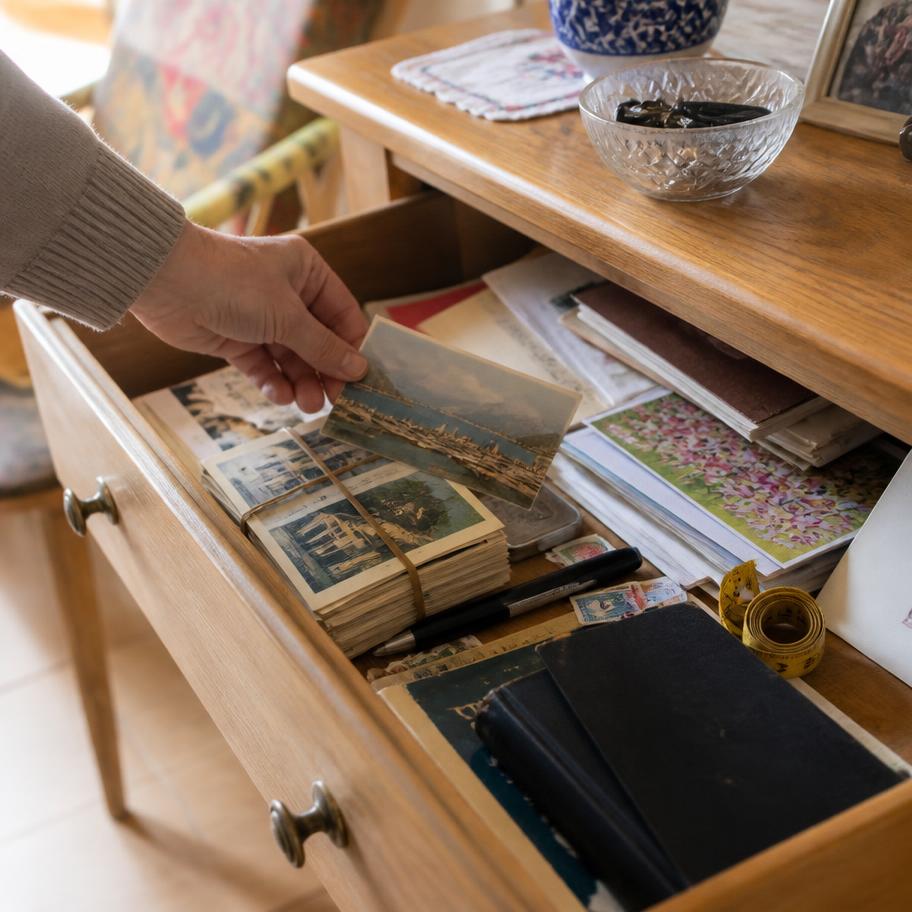
Look in drawers, boxes, lofts and old suitcases. Any postcard that has been written on, stamped and posted is a piece of everyday history worth saving.
 II
IIGather them up
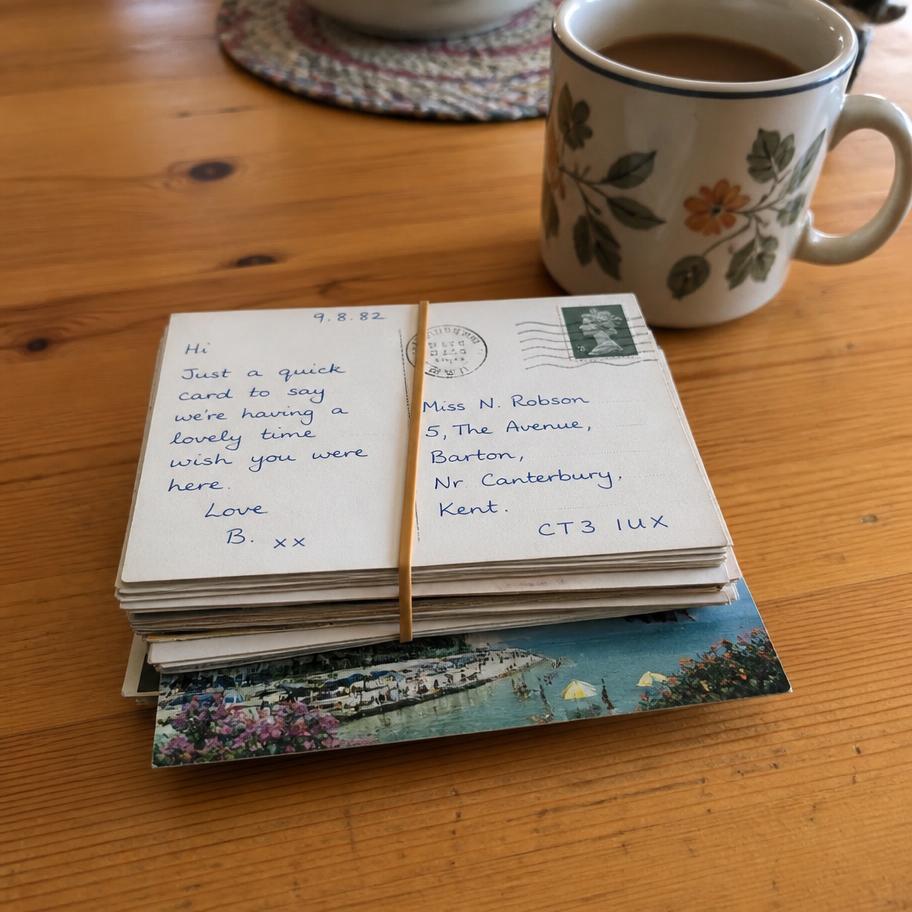
You don't need to sort, clean or transcribe them. We just need the card, the message, the stamp and the postmark. A single card is enough.
 III
IIISend them home
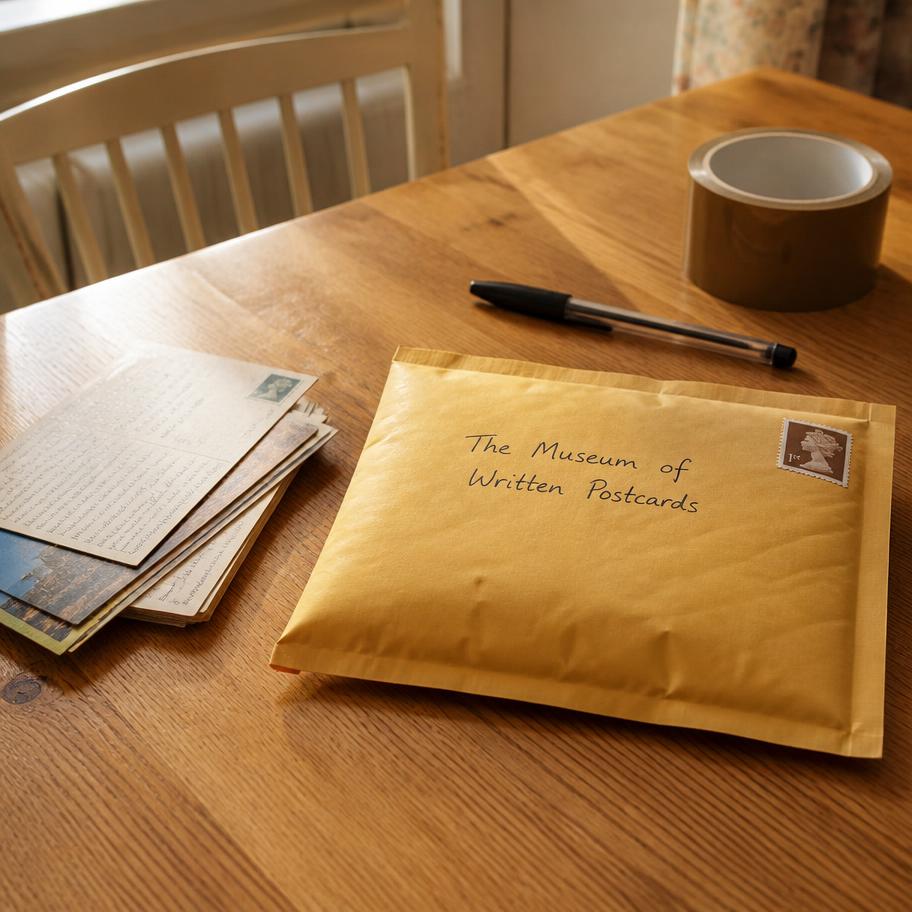
Post them to the museum, or get in touch first if you have a large collection. Every card will be catalogued, preserved and put on display.
What to send
The ones with handwriting on the back
The museum is not about pretty views. It is about the ordinary words people sent to one another.
- Postcards with messages, signatures and addresses
- Cards with stamps and readable postmarks
- Birthday, holiday, wartime and everyday notes
- Greetings cards that were actually posted
- Loose cards, albums, shoeboxes and biscuit-tin stashes
Not sure if your cards count? They almost certainly do. If someone wrote on it and it went through the post, it is small history.
What happens next
- Every card is scanned front and back at high resolution.
- The handwriting is transcribed, the date recorded, the place mapped.
- The card is added to the Gallery, Atlas, Timeline and Themes.
- Your contribution becomes a permanent, searchable record.
Live · the rescue so far
…
postcards confirmed, catalogued and put on display
"The most important history is not always in textbooks. Sometimes it is in a drawer, in a biscuit tin, in a message that says: arrived safely, wish you were here."
— Lucy Hall, Curator
Continue your visit